
A Facility Manager's Guide to Electrical Safety in Institutional Buildings
Managing a school, hospital, or community center carries an immense weight of responsibility. Beyond daily operations, the safety and well-being of every person who walks through your doors is paramount. In these high-traffic public buildings, the electrical system is the silent, powerful backbone that supports everything from life-saving medical equipment to essential learning tools. Ensuring its integrity isn't just about compliance; it's about protecting people. For facility managers across communities like Three Hills and the surrounding counties, understanding the unique electrical demands of institutional buildings is the first step toward creating a truly safe environment. This guide will walk you through the critical components of institutional electrical safety, from foundational systems and fire alarms to security and access control.
The Foundation: Robust Institutional Electrical Systems
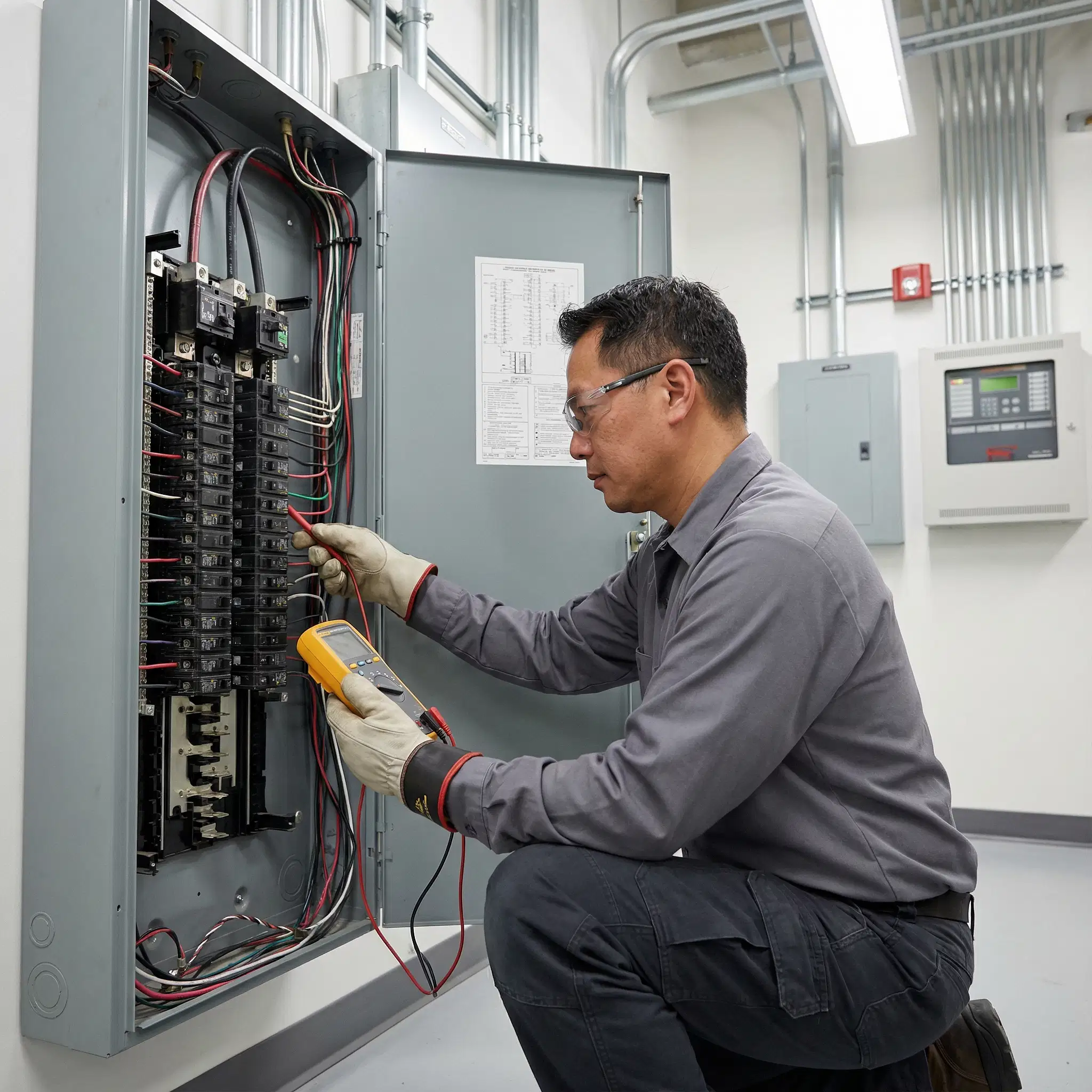
Unlike a residential home, an institutional building has complex and demanding power needs. Think of the specialized equipment in a hospital, the commercial-grade kitchens in a school, or the extensive HVAC systems in a large public venue. These all place significant strain on the electrical infrastructure. A system that is outdated or improperly maintained can lead to overloaded circuits, unexpected outages, and a significant risk of electrical fires.
Regular, professional assessment of your institutional electrical systems is crucial. An experienced electrician can identify potential vulnerabilities, ensure your building can handle its electrical load, and make sure everything is up to the latest Canadian Electrical Code (CEC) standards. Proactive maintenance and strategic upgrading of electrical systems in institutional facilities are not expenses—they are essential investments in safety, reliability, and long-term operational continuity. A well-maintained system prevents costly emergency repairs and, most importantly, mitigates risks to occupants.
Your First Line of Defense: Fire Alarm and Emergency Lighting Systems
When it comes to life safety, nothing is more critical than a fully functional fire alarm system. In a public building, this system is an integrated network of smoke detectors, heat sensors, pull stations, and audible alarms designed to provide early warning and facilitate an orderly evacuation. In Alberta, the regulations for fire alarm system inspections, installation, and service are stringent and non-negotiable. Regular testing and maintenance are required by law to ensure every component functions exactly as it should during an emergency.
Equally important is the emergency lighting. During a power failure or fire, standard lighting will go out. Emergency and exit lighting must immediately take over, illuminating pathways and exits to guide people to safety. This system's reliability depends on charged batteries and functional bulbs, which is why routine inspections are a key part of emergency lighting compliance. Overlooking these systems can have severe consequences, creating significant liability and putting lives at risk.
Enhancing Security and Controlling Access
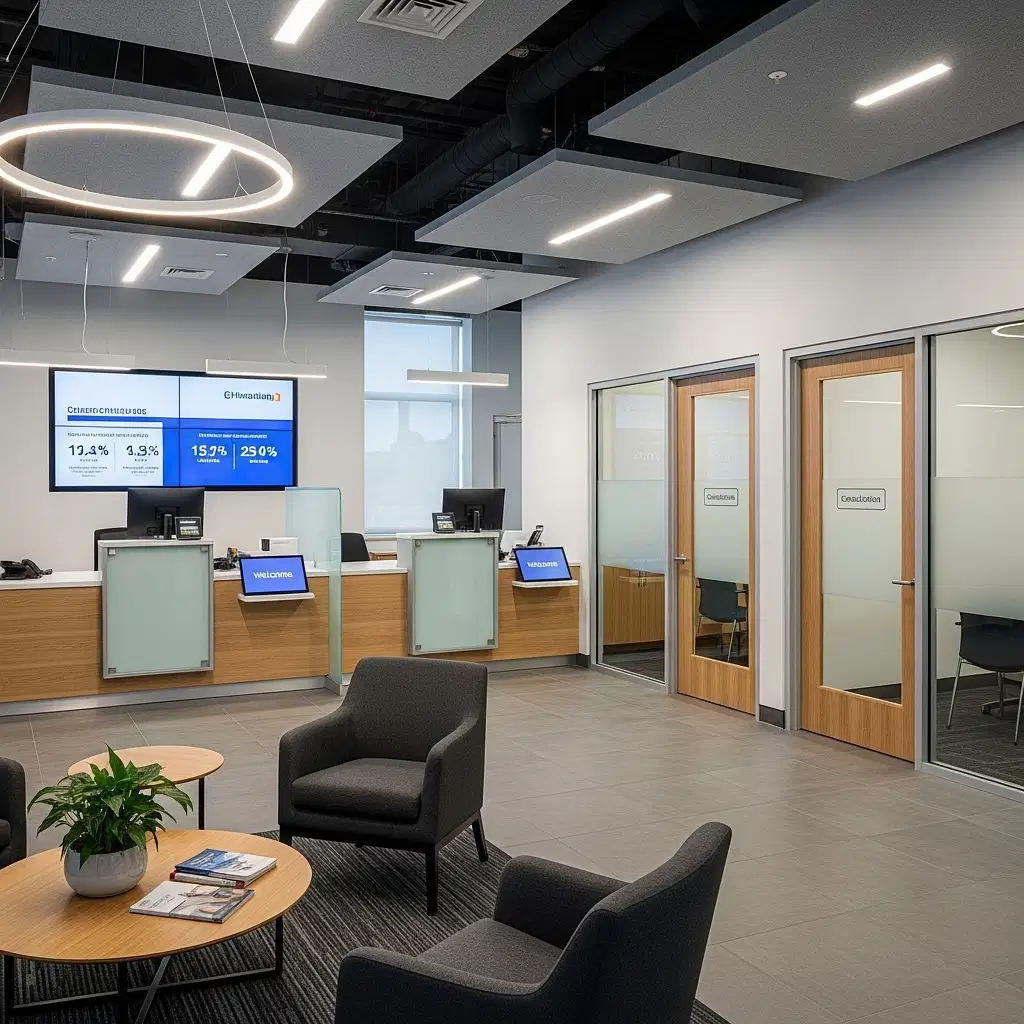
Electrical safety extends beyond preventing fires and guiding evacuations. It also involves securing the building itself to protect the people and assets within. A comprehensive safety plan integrates robust security measures, many of which are tied directly to the electrical system.
Effective security lighting for parking lots, walkways, and building perimeters is a powerful deterrent against unauthorized entry and vandalism. It creates a safer environment for staff and visitors arriving or leaving after dark. Inside the building, modern access systems provide another layer of protection. Keycard or keypad entry systems allow you to control and monitor who enters specific areas, restricting access to sensitive zones like server rooms, records storage, or mechanical rooms. By integrating these systems, you create a cohesive security strategy that enhances the overall safety of your facility.
Partner with Experts to Ensure Compliance and Safety
Managing the electrical safety of an institutional or public building is a complex and ongoing responsibility. From ensuring your main electrical infrastructure is robust and compliant to maintaining critical life-safety systems like fire alarms and emergency lighting, there is no room for error. The safety of your students, patients, staff, and visitors depends on it.
At Majak Electric, we specialize in providing comprehensive electrical services for institutional clients throughout Kneehill County and the surrounding areas. We understand the unique codes, regulations, and operational needs of public facilities. If you have questions about your building's safety and compliance, contact us today. Let our team of certified professionals help you ensure your facility is safe, secure, and fully prepared.