
Keeping Your Farm Running: A Guide to Agricultural Wiring and Livestock System Safety
On a modern farm, a reliable electrical system isn't a luxury—it's the backbone of your entire operation. From the lights in the barn to the complex controls for feeding and ventilation, everything depends on safe, consistent power. Here at Majak Electric, we've been serving farmers and acreage owners throughout the Three Hills area for decades, and we understand the unique challenges that come with agricultural electrical work. The harsh environments, demanding loads, and critical importance of these systems require specialized expertise.
Failing electrical systems can lead to more than just inconvenience; they can cause catastrophic equipment failure, financial loss, and serious safety hazards. In this guide, we'll walk through the essentials of proper farm wiring, the importance of maintaining livestock ventilation and feeding controls, and how a proactive approach to electrical safety can protect your assets and your peace of mind.
The Foundation: Safe and Robust Farm Wiring
Agricultural buildings present a uniquely challenging environment for electrical wiring. Constant exposure to moisture, dust, corrosive gases like ammonia, and the potential for damage from rodents and equipment means that standard residential wiring is simply not up to the task. Using the wrong materials or improper installation techniques can lead to premature failure and significant safety risks.
So, what are the signs that your farm's wiring might need a professional inspection? Keep an eye out for these common red flags:
- Frequent Breaker Trips: If breakers trip regularly, it's a clear sign that a circuit is overloaded or has a fault.
- Flickering or Dimming Lights: This can indicate a poor connection or an overloaded system that is struggling to keep up with demand.
- Warm Outlets or Switches: Any warmth from electrical components is a serious warning sign of a potential fire hazard.
- Visible Damage: Look for frayed wires, cracked insulation, or signs of chewing from rodents.
- Corrosion: Rust or corrosion on electrical panels, outlets, and fixtures can compromise connections and safety.
Ensuring your operation complies with the Canadian Electrical Code (CEC) for agricultural buildings is non-negotiable. This involves using watertight conduits, corrosion-resistant fixtures, and proper grounding techniques to protect the system's integrity. For new buildings or expanding operations, professional trenching and excavating for underground power lines can provide a more durable and protected power supply, safe from weather and equipment damage.
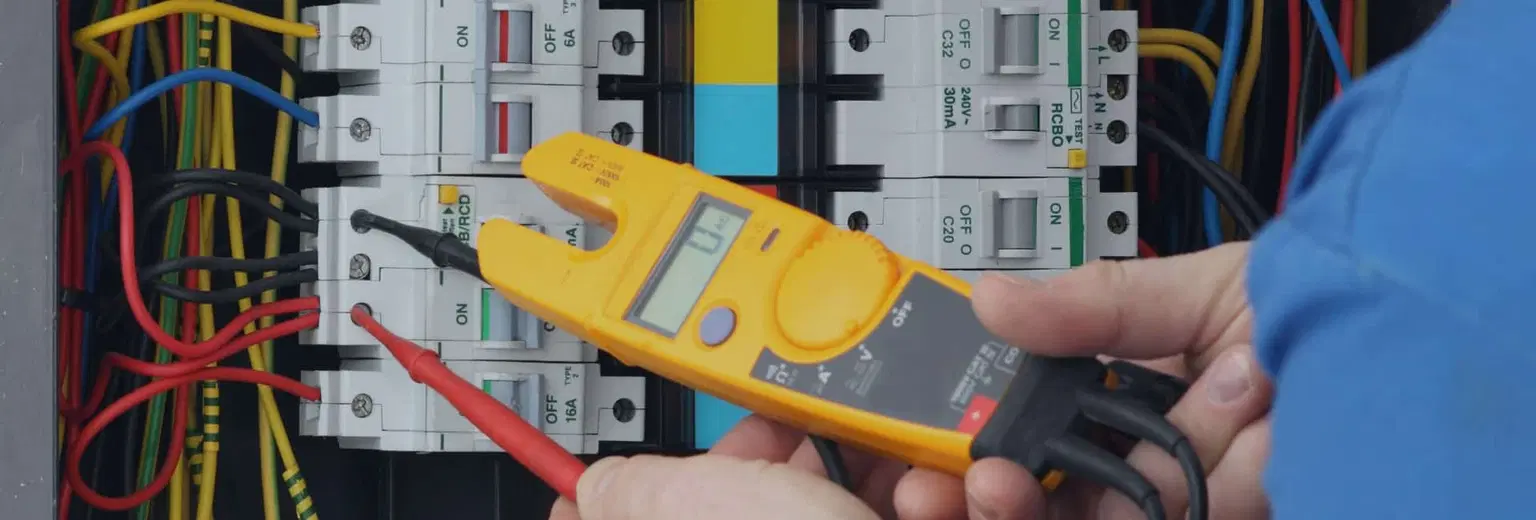
Protecting Your Most Valuable Assets: Reliable Livestock Ventilation and Feeding Controls
For intensive livestock operations, automated systems are mission-critical. A failure in your ventilation or feeding controls can have devastating consequences in a matter of hours. These systems are essential for maintaining animal health, regulating temperature and air quality, and ensuring consistent feeding schedules. A breakdown doesn't just mean a loss of productivity; it can mean a catastrophic loss of livestock.
This is why investing in a robust, professionally installed control system is one of the most important decisions you can make. A reliable system for intensive livestock ventilation and feeding controls should include several key features:
- Durable Components: All sensors, motors, and controllers must be rated for the harsh conditions of a barn environment.
- Redundancy and Alarms: An effective system should include alarms that notify you immediately—via phone call, text, or siren—of a power failure or system malfunction.
- Backup Power Integration: The control system must be seamlessly integrated with a standby generator to ensure that ventilation and feeding continue uninterrupted during a power outage.
Modern agricultural technology offers incredible efficiency, but it also increases the reliance on sophisticated electrical controls. Ensuring these systems are installed correctly and maintained regularly is crucial for protecting your investment and your animals.
A Proactive Approach: Your Agricultural Electrical Safety Checklist
While a thorough inspection should always be performed by a qualified electrician, there are several things you can do to monitor the health of your electrical system. Regular visual checks can help you spot potential problems before they become serious emergencies. Use this simple checklist as a guide:
- Walk the Wires: Regularly inspect visible wiring for any signs of damage, such as fraying, chewing, or cracking.
- Check for Corrosion: Look at panels, outlets, and fixtures for any rust or buildup that could indicate moisture intrusion.
- Secure Enclosures: Ensure all electrical panel doors, junction boxes, and outlet covers are securely closed and sealed to keep out dust and moisture.
- Test GFCIs: Monthly, press the "Test" button on all Ground Fault Circuit Interrupter outlets to ensure they are functioning correctly. They are a critical safety feature in damp locations.
- Clear the Area: Keep combustible materials like hay, straw, cobwebs, and dust cleared away from electrical panels, motors, and light fixtures to reduce fire risk.
- Listen for Trouble: Pay attention to any unusual buzzing or humming sounds coming from your electrical panels, as this can indicate a loose connection or a failing breaker.
Catching these issues early can save you from costly downtime and dangerous situations. If you notice anything concerning, it's always best to call a professional.
Your Partner in Farm Safety and Productivity
From a small family acreage to a large-scale commercial operation, a safe and reliable electrical system is the foundation of success. By investing in professional installation, robust automation for critical systems, and proactive maintenance, you can protect your property, your livestock, and your livelihood.
At Majak Electric, we have the specialized experience required for complex industrial and agricultural electrical projects. If you have concerns about your farm wiring or want to upgrade your livestock control systems, our team is here to help. We also know that emergencies don't wait for business hours, which is why we offer 24/7 emergency service to our clients across Kneehill County and the surrounding areas.
Contact us today to schedule a comprehensive safety inspection or to discuss how we can help make your operation safer and more efficient.