
Keeping Your Operations Flowing: A Guide to Maintaining Industrial Pumps and Livestock Water Systems
For any agricultural or industrial operation, a reliable water system isn't just a convenience—it's the lifeblood. Whether you're managing a large acreage, running a complex industrial facility, or ensuring the health of your livestock, the consistent flow of water is critical. When a pump fails, it brings everything to a halt, leading to costly downtime, production losses, and significant stress. The electrical system that powers these pumps is the heart of it all, and its health is paramount.
At Majak Electric, we've been serving farms and businesses around Three Hills and Kneehill County since 1978, and we understand the immense pressure you're under to keep things running. This guide will walk you through the essentials of maintaining your industrial pumps and livestock water systems, from understanding the components to knowing the warning signs that it's time to call in a professional. We'll cover common electrical issues, proactive maintenance tips, and how expert service can protect your investment and ensure your operation never misses a beat.
Understanding the Electrical Core of Your Pumping System
Beneath the surface of every powerful water system is an intricate electrical setup designed for performance and durability. It's more than just the pump itself; it's a combination of motors, control panels, and specialized wiring working in unison. For many demanding applications, high-quality equipment like ITT Goulds Pumps is the standard for reliability, but even the best hardware needs a properly maintained electrical supply to function correctly.
Key electrical components include:
- The Motor: This is the workhorse that drives the pump. Electrical issues like inconsistent voltage, failing capacitors, or internal winding problems can cause it to overheat, lose power, or fail completely.
- The Control Panel: This is the brain of the operation. It houses the breakers, starters, relays, and overload protection that safeguard the motor. A malfunction here can prevent the pump from starting or, worse, fail to protect it from a damaging power surge.
- Wiring and Conduit: In the demanding environment of a farm or industrial site, wiring is exposed to moisture, temperature swings, and potential physical damage. Proper installation and regular inspection of all electrical lines are crucial to prevent shorts and ensure consistent power delivery.
Understanding these components helps you appreciate that a "pump problem" is often an electrical problem in disguise. Recognizing this is the first step toward effective troubleshooting and maintenance.
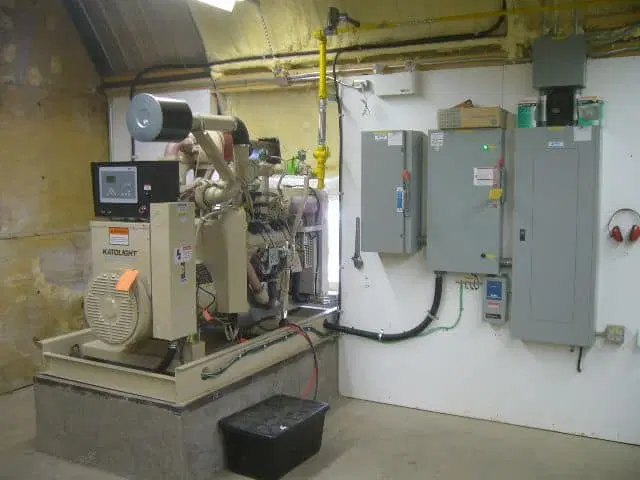
Common Electrical Issues and Warning Signs
Electrical problems rarely appear out of nowhere. They often start as small, intermittent issues that can escalate into major failures if ignored. Being able to spot these early warning signs can save you from an emergency shutdown.
Here are some common electrical symptoms to watch for:
- Frequent Breaker Trips: A circuit breaker that keeps tripping is a clear signal that the system is drawing too much current. This could be due to a struggling motor, a short in the wiring, or an improperly sized breaker. Don't just reset it and hope for the best; it's a critical warning sign that needs investigation.
- Unusual Noises or Vibration: A pump motor should run smoothly. If you hear humming, buzzing, or grinding sounds, it could indicate failing bearings or an electrical issue causing the motor to strain.
- Overheating: While motors generate heat, a unit that is excessively hot to the touch is in distress. Overheating can be caused by low voltage, high amperage draw, or poor ventilation, and it will drastically shorten the motor's lifespan.
- Intermittent Operation: If your pump starts and stops unpredictably, the problem could lie within the pressure switch, the motor's thermal overload protector, or the control panel's relays. This inconsistency puts immense strain on the entire system.
Addressing these issues promptly with professional industrial electrical services is far more cost-effective than dealing with a complete system failure and the subsequent operational losses.
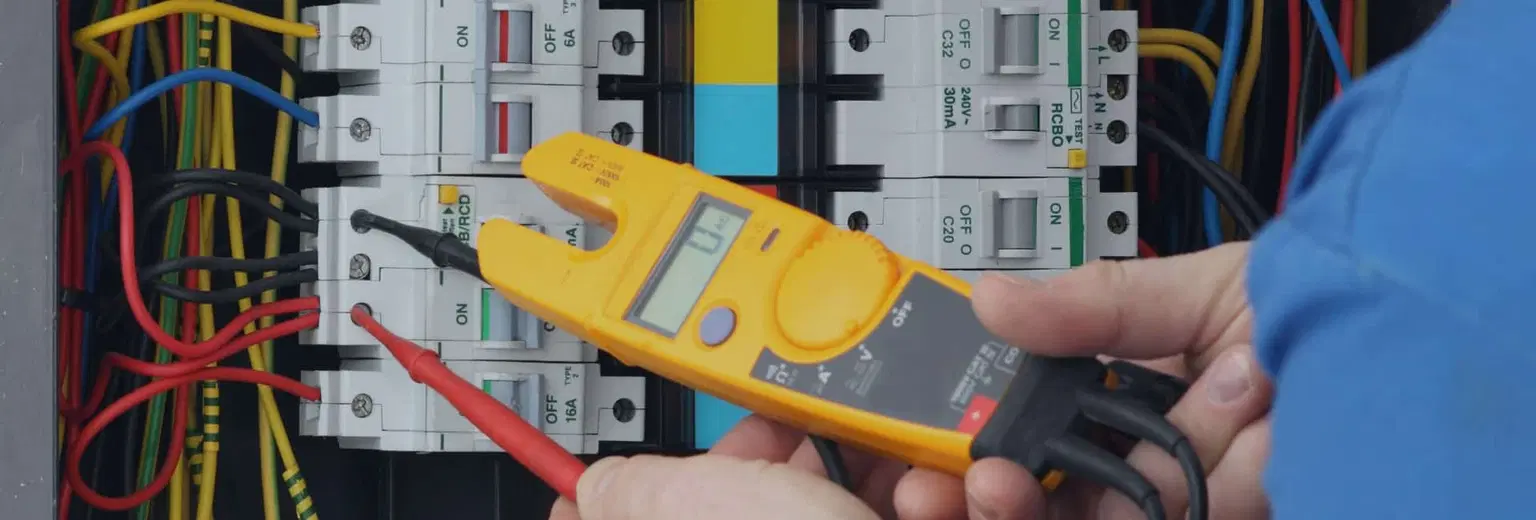
Proactive Maintenance: Your First Line of Defense
While complex electrical diagnostics should be left to certified professionals, you can take several proactive steps to extend the life of your equipment and prevent common problems.
A Simple Maintenance Checklist:
- Keep it Clean: Regularly clear away dust, debris, and vegetation from around the pump motor and control panel. This ensures proper airflow to prevent overheating.
- Perform Visual Inspections: Once a month, look over the wiring and conduit. Check for any signs of corrosion, frayed wires, or physical damage. Ensure all connections at the control box appear tight and secure.
- Listen Carefully: You know what your equipment sounds like when it's running properly. Pay attention to any new or unusual sounds, as they are often the first indicator of a developing problem.
- Protect from Moisture: Ensure that control panels are properly sealed and that water isn't pooling around any electrical components. For agricultural settings, this is especially important in barns and outbuildings.
These simple checks empower you to catch issues early. For more intensive operations, especially those involving intensive livestock ventilation and feeding controls, a scheduled professional maintenance plan is a wise investment to guarantee uptime when it matters most.
When to Call the Professionals
DIY troubleshooting has its limits, and with high-voltage electrical systems, safety must always be the top priority. It's time to call a licensed electrician when:
- You experience any of the warning signs mentioned above, such as frequent breaker trips or an overheating motor.
- You need to install a new pump or upgrade an existing system.
- You are planning to run new water or power lines that require professional trenching and excavating.
- Your system has failed, and you need a fast, reliable diagnosis and repair to get back online.
Attempting complex electrical repairs without the proper training and tools is not only dangerous but can also lead to more extensive and expensive damage. Our team at Majak Electric has the expertise to diagnose the root cause of the problem quickly and implement a safe, compliant, and lasting solution.
Trust Majak Electric to Keep You Running
Your industrial and agricultural operations depend on the reliable performance of your equipment. Don't let an electrical fault in your water system disrupt your productivity and peace of mind. By understanding your system, performing regular checks, and partnering with a trusted electrical expert, you can ensure your operations continue to flow smoothly.
If you need expert service, repair, or installation for your industrial pumps, livestock water systems, or any other critical electrical infrastructure in the Kneehill County area, contact Majak Electric today. We're here to provide the reliable solutions you need to power your success.