
Preparing Your Water Well Pump for an Alberta Winter
Living on an acreage in Central Alberta offers peace, privacy, and beautiful landscapes. But it also means you are completely responsible for your own utilities, including your primary water supply. As the harsh winter approaches, one of the most critical maintenance tasks for rural homeowners and agricultural operations is ensuring their water well pump is ready for freezing temperatures. A frozen or failing well pump doesn't just mean a lack of morning shower water; it can halt livestock feeding, disrupt boiler heating systems, and lead to incredibly costly emergency repairs.
At Majak Electric, we know how vital a reliable water source is during the coldest months of the year. Let's walk through what you need to do to prepare your well pump's electrical system before the deep freeze sets in.
The Importance of Deep Wiring and Freeze Protection
The most common cause of winter water failure isn't always the mechanical pump itself—it is often the environment around it. When temperatures plummet, any exposed or shallow wiring and piping are at severe risk. Proper freeze protection for underground water pump wiring is essential to keep your system operational. Electrical conduits that house your pump's wiring must be buried well below the local frost line. If the ground shifts due to frost heave, it can stretch, pinch, or completely sever the electrical connections to your submersible pump.
Additionally, heat tape or heating cables should be inspected on any above-ground wellhead components. If you rely on heat tape, ensure it is properly plugged into a dedicated, weather-protected receptacle that meets current Canadian Electrical Code safety standards. A tripped breaker on a heat tape circuit during a minus-thirty night is a fast track to a frozen wellhead.
Recognizing Early Warning Signs of Electrical Failure
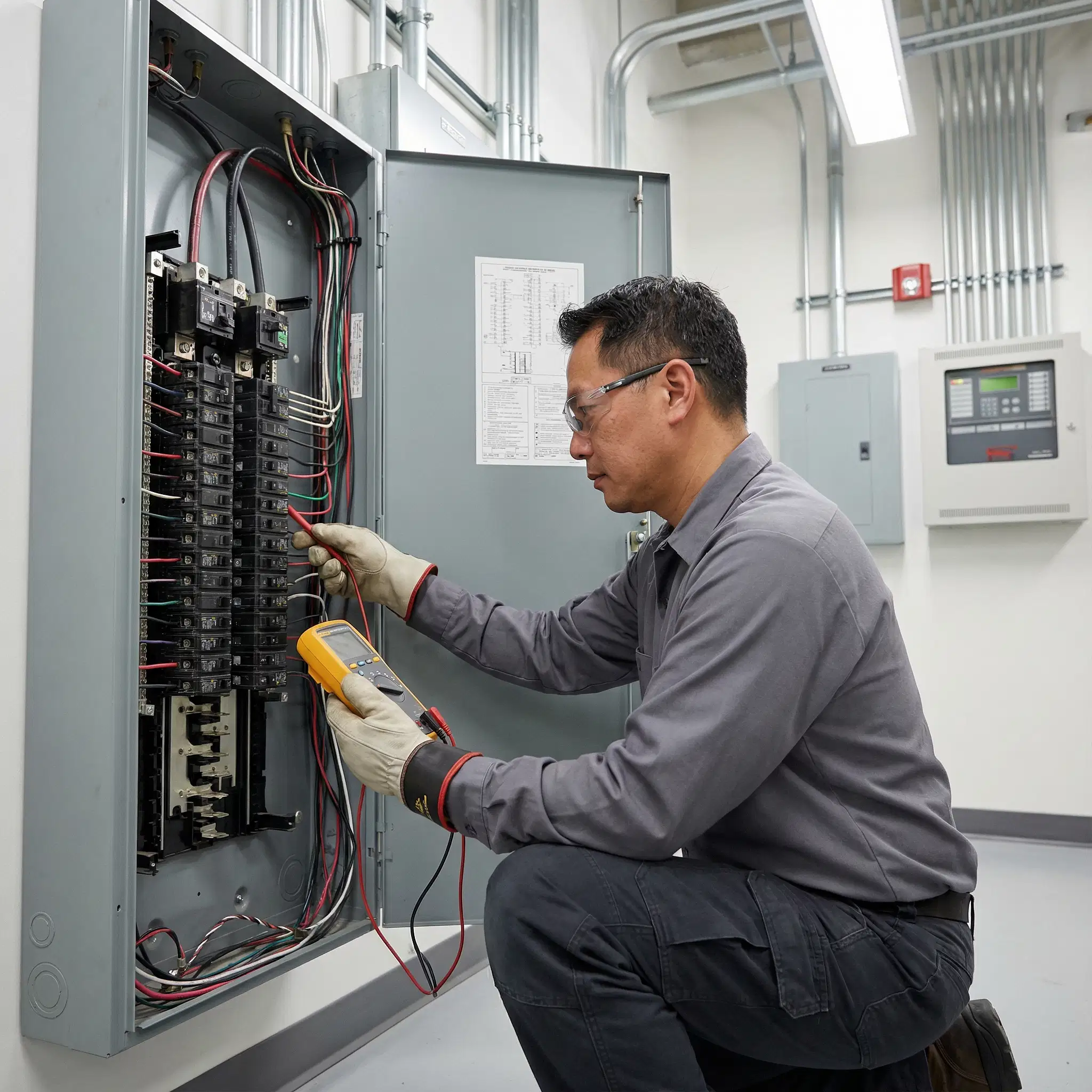
Before the snow gets too deep, it is wise to pay attention to how your pump is operating. Catching an electrical issue in the fall is much easier than diagnosing it in a blizzard. One of the primary things to watch for are the signs submersible pump control box is failing. If you notice your pump cycling on and off rapidly, unusual clicking or buzzing noises from the wall-mounted control box, or a sudden drop in water pressure, the capacitors or relays inside the box might be degrading.
Another frequent culprit of winter water issues is the pressure switch. This small mechanical device tells your pump when to turn on and off based on the pressure in your holding tank. Over time, the electrical contacts inside the switch can become pitted, corroded, or infested with insects seeking warmth. Basic well pump pressure switch electrical troubleshooting involves safely isolating the power at the panel and inspecting these contacts for burning or severe wear. If the contacts look blackened or the switch is unresponsive, it is time for a replacement before winter strains the system further.
Handling Rural Power Outages
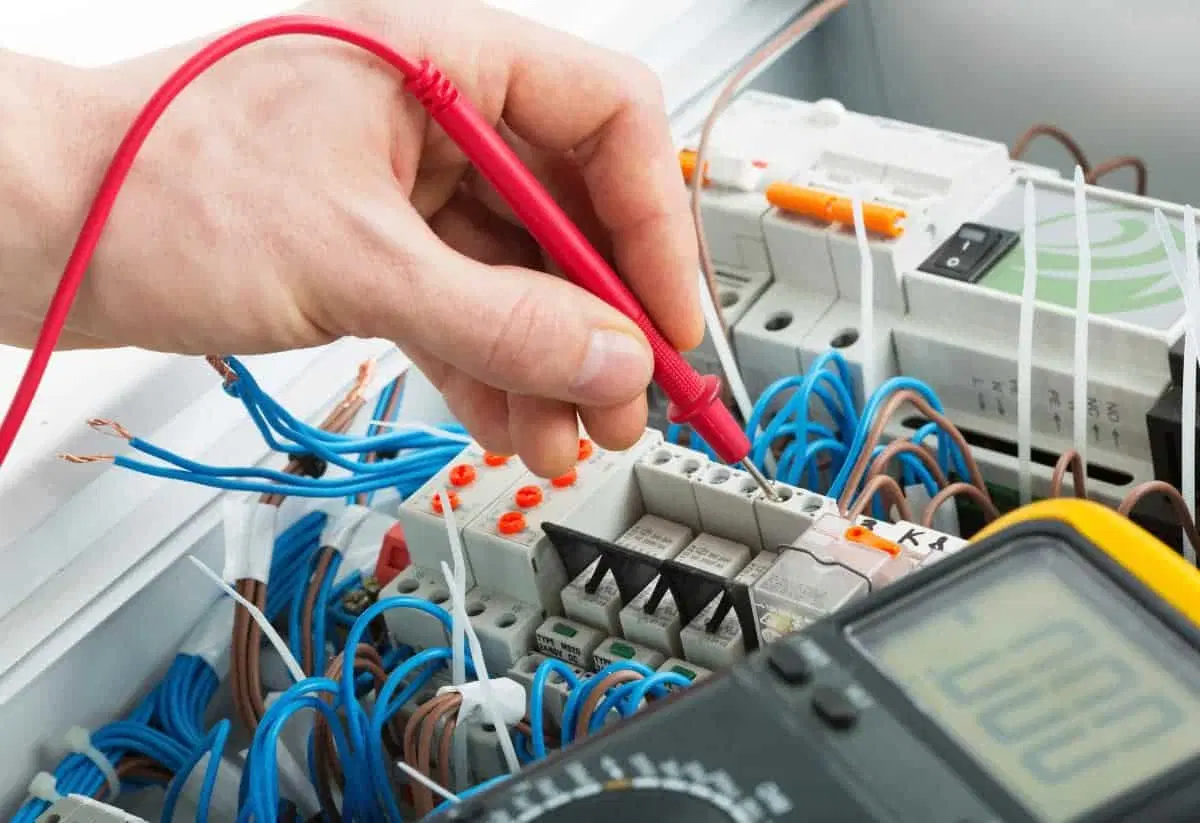
Properties located out off the QE2 often experience different power delivery challenges than urban homes. High winds, heavy ice, and heavy snow can lead to unexpected seasonal outages. Effective troubleshooting rural well pump power loss requires a systematic approach. First, always check your main electrical panel to see if the dedicated pump breaker has tripped. If you have a standby backup generator, verify that the transfer switch is functioning correctly and successfully delivering voltage to the pump circuit.
If the breaker hasn't tripped but you still have no water, the issue might be at the wellhead disconnect or within an underground splice. Because these systems draw significant amperage upon startup, any loose electrical connection can create heat, eventually causing the circuit to fail. Regular preventative maintenance ensures these connections remain tight and protected from moisture infiltration, which is especially important during the freezing and thawing cycles of early winter.
Professional Solutions for Deep Winter Reliability
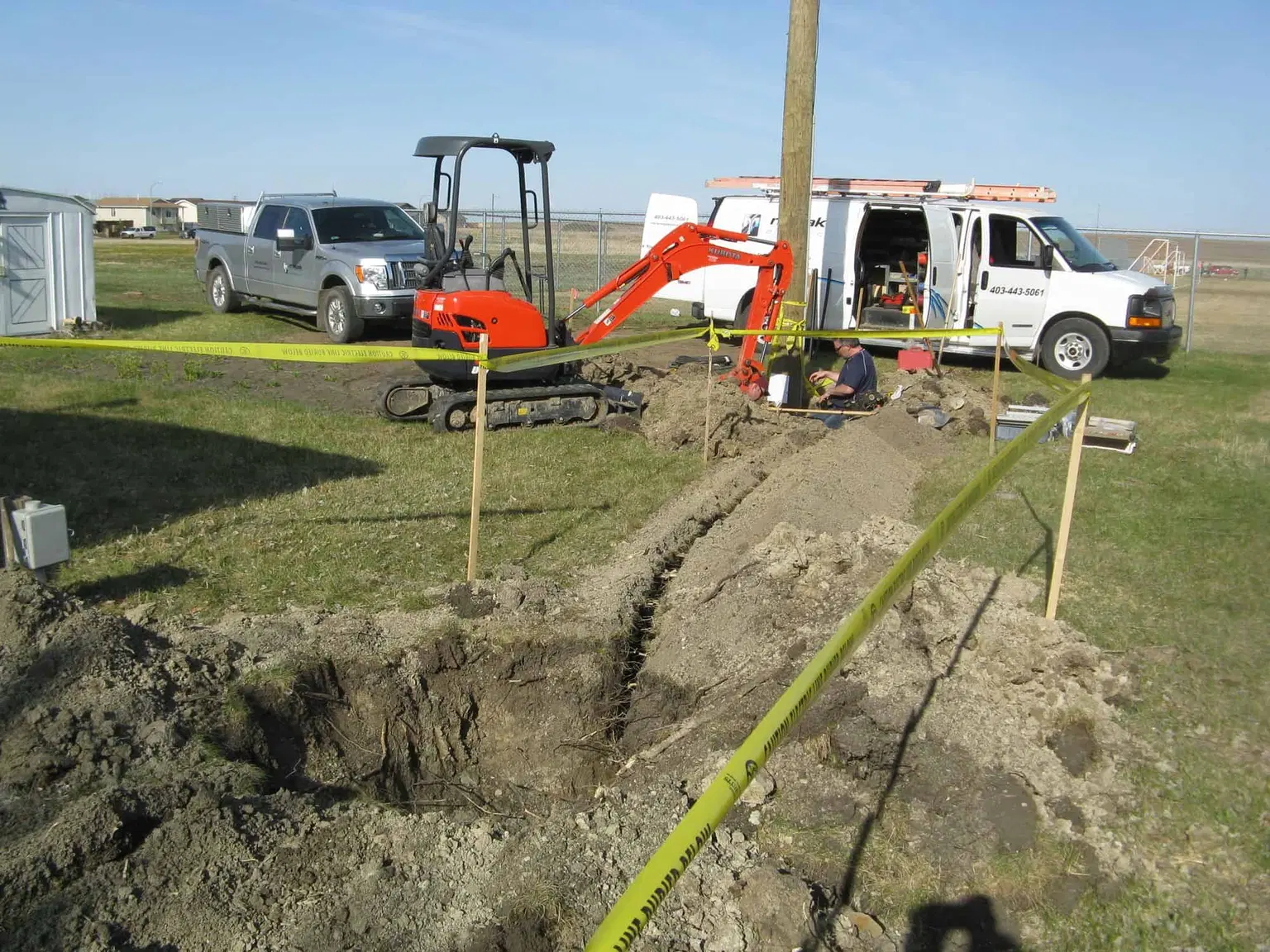
Sometimes, surface-level maintenance isn't enough, especially if you have an aging system or have experienced recurring freeze-ups in past winters. Upgrading or relocating your well's electrical supply requires heavy-duty intervention. This is where professional trenching and excavating becomes necessary. By properly trenching and laying new conduit deep below the frost line, we can eliminate the risk of frost damage to your critical pump wiring.
Furthermore, if your pump is showing signs of imminent failure, replacing it before winter is the smartest move you can make. We specialize in ITT Goulds Pumps sales and service, providing reliable, high-efficiency pumping solutions designed to withstand demanding rural and agricultural environments. Handling major upgrades or replacements during the milder fall months saves you from complex, costly emergency service calls in the dead of winter.
Don't Wait for the Deep Freeze
Preparing your well pump for winter is about protecting your property, your livestock, and your family's daily comfort. Taking the time to inspect your control boxes, verify your pressure switches, and ensure your electrical freeze protection is active can make all the difference when the extreme cold arrives.
If you aren't comfortable performing these electrical checks yourself, or if you suspect your system needs a serious upgrade to survive the season, Majak Electric is here to help. Based right here in Three Hills, we understand the unique logistical and environmental demands of rural water systems, and we have the licensed expertise to keep your power and water flowing safely. Contact us today to schedule a thorough pump inspection or to discuss your trenching and system replacement needs.