
Safely Managing Aluminum Wiring in Older Homes
Buying a heritage home or a mature property on an expansive acreage can be a dream come true. These properties offer incredible character, mature trees, and a sense of history. However, older homes often hide outdated electrical systems behind their charming walls, which can present unique challenges for modern homeowners. One of the most significant concerns in homes built or extensively renovated during the 1960s and 1970s is the presence of aluminum wiring.
During that era, copper prices skyrocketed, leading builders across Canada to adopt aluminum wire as a cost-effective alternative for residential electrical circuits. While it was entirely compliant with building codes at the time, decades of use have revealed that this material requires specific maintenance and poses distinct safety risks if neglected.
For homeowners in Three Hills and the surrounding rural communities, understanding what is behind your drywall is essential for protecting your investment and keeping your family safe. In this guide, we will explore how to identify aluminum wiring, the signs of potential failure, and the safest remediation options available today.
How to Tell if Your Home Has Aluminum Wiring
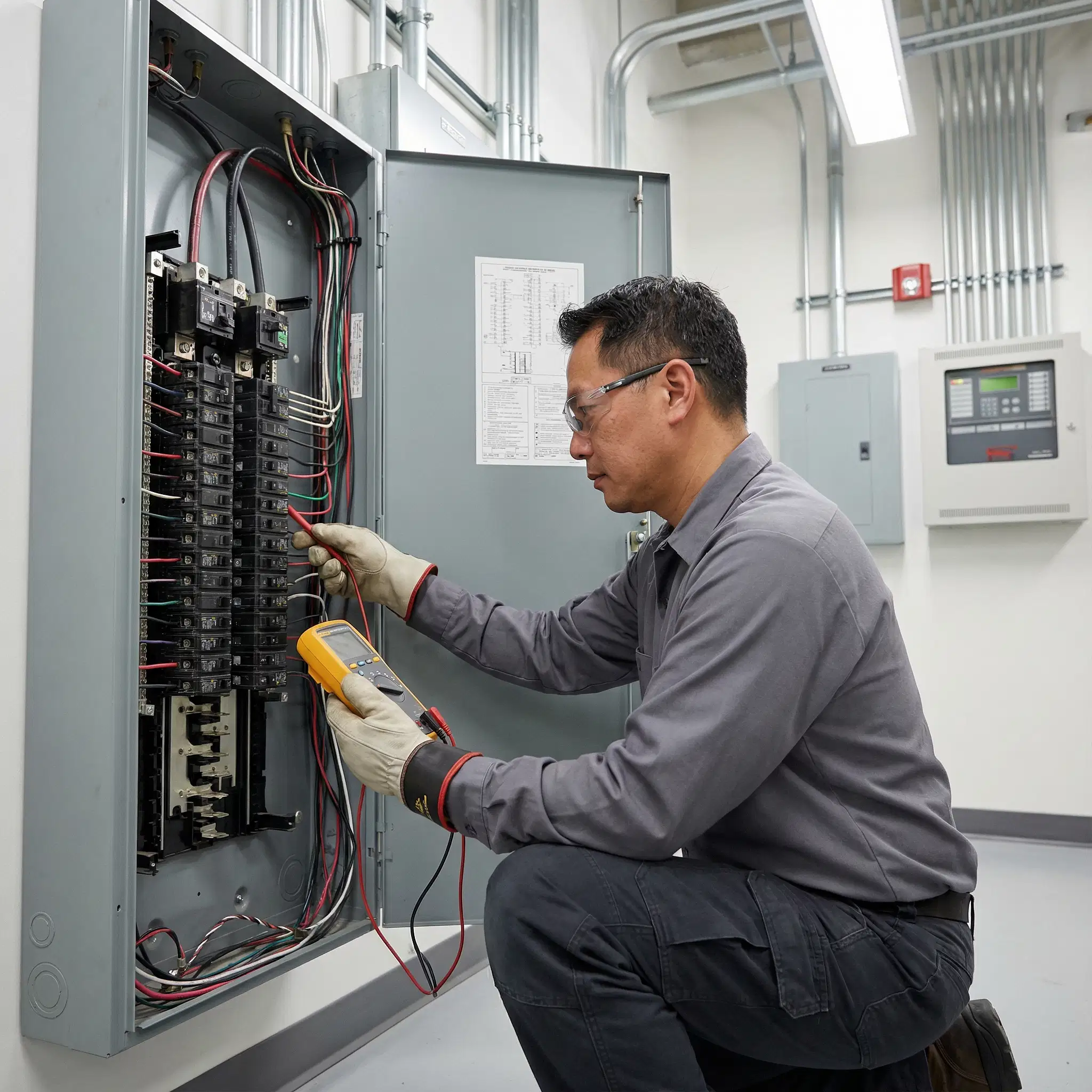
Many homeowners are completely unaware of the type of wiring powering their homes until a problem arises or they attempt a renovation. If your house was built or had major electrical work done between 1965 and 1975, there is a strong possibility that aluminum wiring is present in at least some of the circuits.
Identifying it does not necessarily require opening up walls. You can often check by looking at exposed cables in unfinished spaces like basements, attics, or the area immediately surrounding your main electrical panel. Examine the outer plastic jacket of the cables. If the wiring is aluminum, the jacket will typically be stamped or printed with words like "ALUM," "ALUMINUM," or "AL."
It is incredibly important to note that you should never open electrical panels, junction boxes, or receptacles yourself to check the bare wires. Working with live electricity is dangerous. If you suspect your home has older wiring, a licensed professional offering residential electrical solutions should be called to perform a comprehensive, safe inspection of your system.
Understanding the Risks and Signs of Overheating
Aluminum itself is an excellent conductor of electricity and is not inherently dangerous. In fact, it is still safely used today in large commercial applications and main service lines. The problems in residential homes stem from how the metal behaves at the connection points, such as switches, outlets, and panel breakers.
Aluminum expands and contracts significantly more than copper as it heats up under an electrical load and cools down when the power is turned off. Over many years, this constant thermal expansion and contraction can cause the connection points to slowly loosen. Furthermore, when exposed to air, aluminum oxidizes. Unlike copper oxide, which still conducts electricity, aluminum oxide is an insulator. This increases resistance at the connection, which in turn generates excessive heat.
This cycle of loosening and heating can eventually lead to electrical arcing, melting insulation, and even house fires. Homeowners from standard city lots to vast properties stretching out toward The Badlands need to be vigilant.
Warning signs of overheating aluminum wiring connections include:
- Lights that flicker or dim randomly
- Cover plates on outlets or switches that feel unusually warm to the touch
- A faint smell of burning plastic or ozone
- Sparking when plugging or unplugging devices
- Circuit breakers that trip frequently for no obvious reason
If you notice any of these symptoms, particularly near new outlets and switches that may have been installed improperly by a previous owner, it is a sign that an urgent electrical repair is needed.
Aluminum Wiring and Home Insurance Requirements in Canada
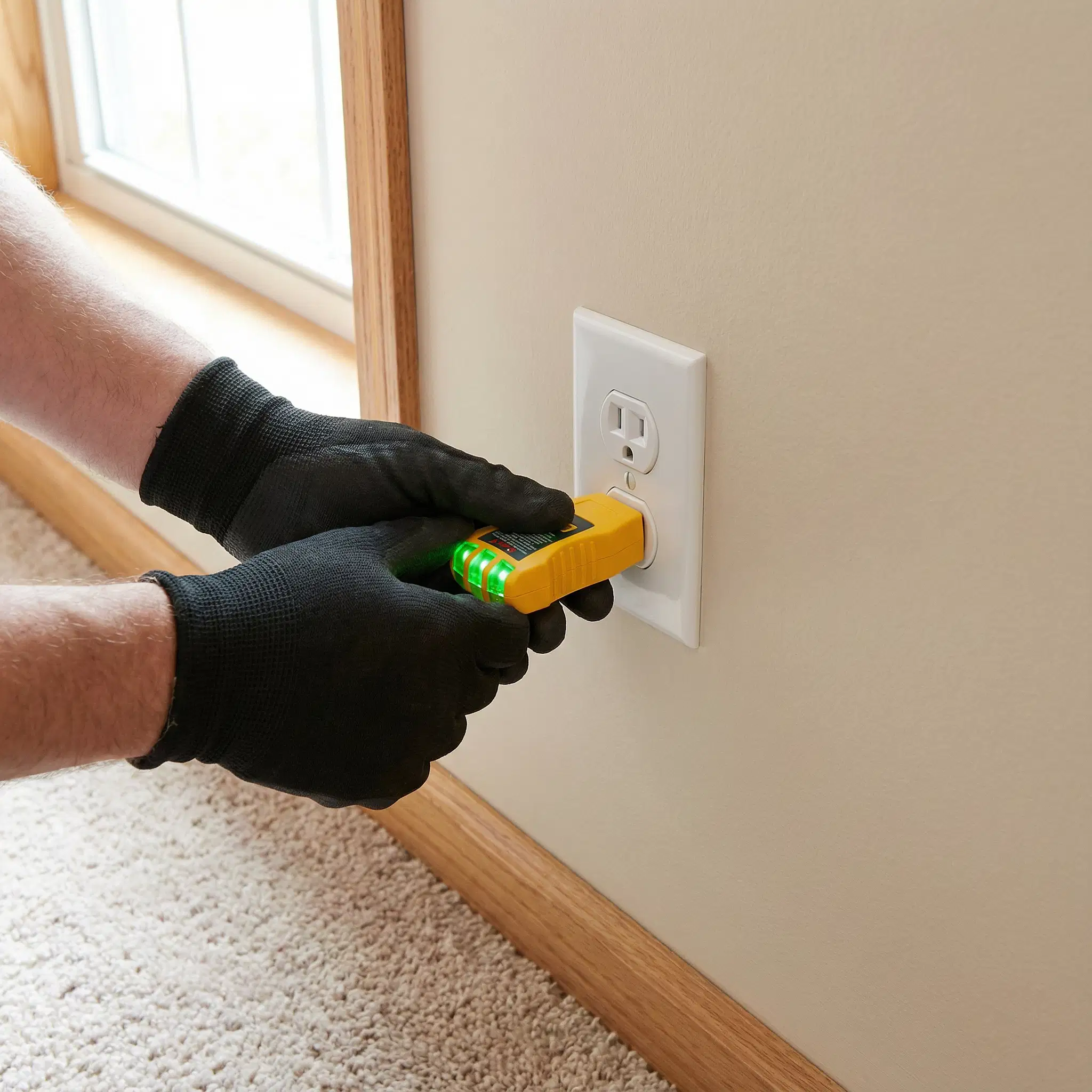
One of the most frequent inquiries we receive involves aluminum wiring insurance requirements. Many Canadian insurance providers view legacy aluminum wiring as a high-risk liability due to the increased fire hazard.
When purchasing a mature home or renewing a policy, your insurance company may ask specific questions about your electrical system. If they discover aluminum wiring, they will often require a thorough safety inspection by a licensed Red Seal journeyperson before they will issue or renew a policy. In some cases, insurers may require you to sign a waiver, charge higher premiums, or mandate that specific remediation work be completed within a set timeframe.
Having a certified professional assess the home ensures that you have accurate documentation to provide to your insurer, proving that your home is safe and complies with current standards.
Remediation and Replacement Options
If an inspection confirms the presence of aluminum wiring, you do not necessarily have to tear down your drywall for a massive, whole-home rewire. The Canadian Electrical Code outlines safe, approved methods for addressing these legacy systems.
The most common and cost-effective remediation method is called "pigtailing." This involves attaching a short piece of copper wire to the end of the existing aluminum wire. The copper end is then connected to the switch, outlet, or breaker. This process must be done using specialized, approved connectors (like Marrette brown nuts or AlumiConn blocks) and an anti-oxidant paste. Attempting this as a DIY project or hiring an unlicensed handyman is extremely dangerous, as using standard wire nuts will accelerate corrosion and dramatically increase the risk of fire.
Another approved method is replacing all standard receptacles and switches with components specifically rated for aluminum wire, marked "CO/ALR." However, this does not address connections inside junction boxes or at the electrical panel.
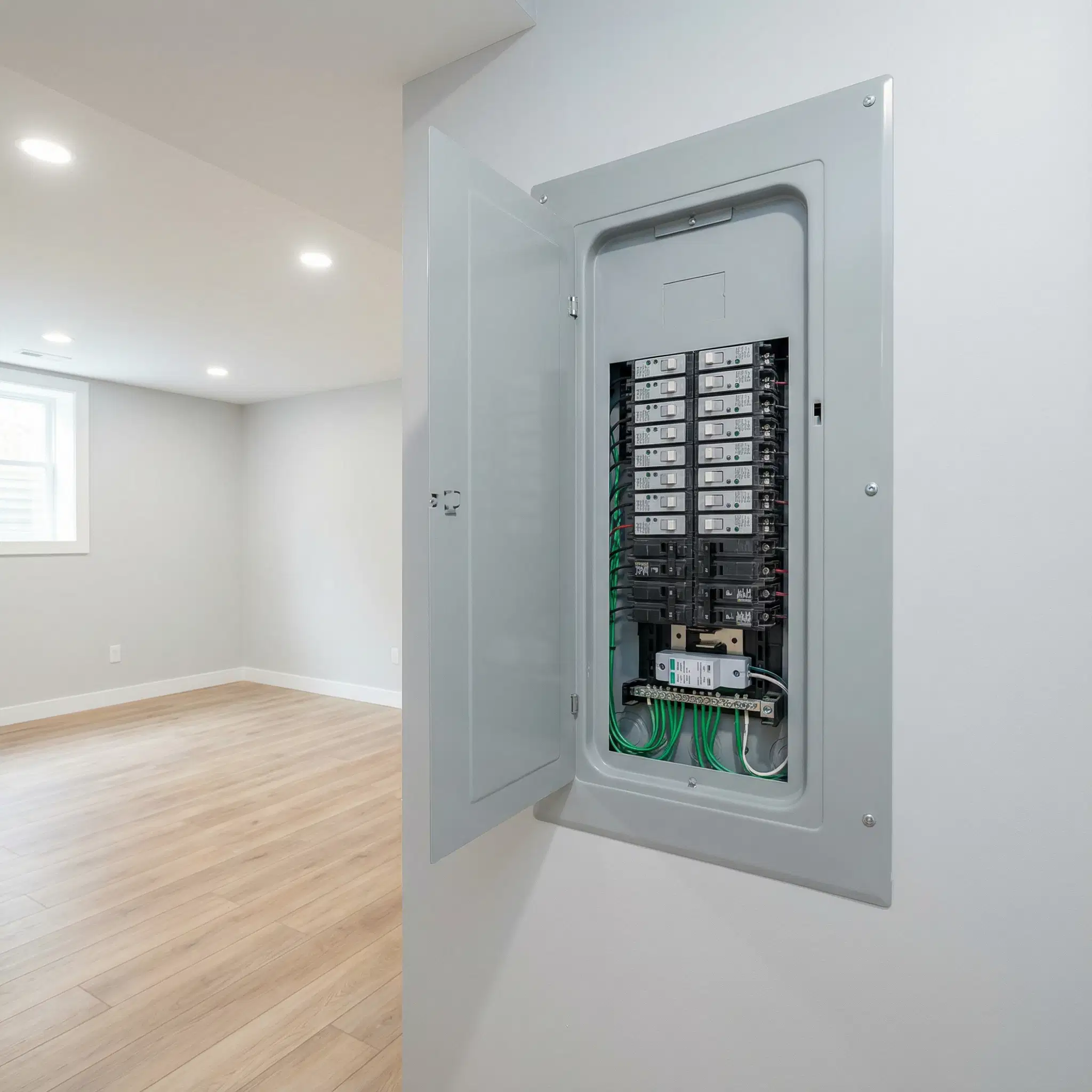
In some scenarios, dealing with older wiring presents an ideal opportunity to modernize your entire system. If you are experiencing capacity issues, this is the perfect time to explore panel upgrades and change outs. Upgrading your service panel not only resolves safety concerns related to older breakers and connections but also prepares your home for modern energy demands, such as electric vehicle chargers, heat pumps, and hot tubs.
Keep Your Home Safe and Compliant
Managing an older electrical system requires expertise, transparency, and a commitment to safety. The rapid rise in demand for modern smart home automation and green technologies means that older electrical infrastructures are being pushed harder than ever before. Ensuring your legacy wiring is stable is the crucial first step before adding any new loads.
Attempting DIY electrical work on aging systems or relying on unverified workers can lead to non-compliant work that puts your property at risk and jeopardizes your insurance coverage.
At Majak Electric, we believe in providing honest advice, transparent pricing, and workmanship you can rely on. Whether your property is located right off the QEII or tucked away in a quiet rural subdivision, our team of highly trained Red Seal professionals is equipped to assess, repair, and upgrade your home's power system to meet the highest safety standards.
Don't let uncertainty about your home's infrastructure keep you up at night. Contact us today to schedule an inspection or to learn more about our comprehensive electrical services, and gain the peace of mind that comes with knowing your home is safe, compliant, and ready for the future.