
The Hidden Dangers of DIY Electrical Work: Risks, Rules, and Safety Codes
Taking pride in maintaining your own property is practically a way of life here in Alberta. Whether you are upgrading a historic home in town or maintaining an acreage just outside of Three Hills, tackling home improvement projects can be highly rewarding. However, while painting a room or landscaping the yard are fantastic weekend projects, electrical work is an entirely different matter. When dealing with the power grid that keeps your home safe, warm, and functional, DIY enthusiasm can quickly become a serious safety hazard.
Many homeowners wonder if they can handle minor wiring changes themselves to save on electrical cost or speed up a renovation. We also frequently see the results of well-meaning but unqualified handymen attempting complex electrical repair jobs. The reality is that residential electrical systems are incredibly complex, highly regulated, and unforgiving of mistakes. An improperly grounded outlet or an overloaded circuit might not show warning signs immediately, but it can lead to devastating consequences down the road, especially when a sudden Chinook causes dramatic temperature shifts and power fluctuations that stress your home's infrastructure.
Understanding the risks, knowing the Canadian Electrical Code requirements, and recognizing when to call a certified professional is essential for protecting your family, your property, and your investment.

The Real Risks of Unlicensed Handyman Repairs and DIY Electrical
One of the most frequent questions we encounter is whether homeowners can do their own wiring legally. While it is technically possible for a homeowner to apply for an electrical permit for certain minor work on their primary residence, doing so means you assume all liability and must pass stringent safety inspections. For most people, the risks far outweigh any perceived savings.
When unlicensed individuals attempt electrical work, they often lack the deep understanding of load calculations, circuit isolation, and current safety regulations required to do the job right. A common pain point we see in the field is the aftermath of unlicensed handyman repairs. These individuals may offer lower upfront prices, but they often perform non-compliant work that leaves hidden hazards behind walls. This can include improper wire splicing, overloading a single breaker, or failing to install the required Arc Fault Circuit Interrupters (AFCI) or Ground Fault Circuit Interrupters (GFCI) to protect against fires and shocks.
Furthermore, DIY electrical work carries significant financial and insurance risks. If a fire or damage occurs due to unpermitted or non-code-compliant wiring, your home insurance provider can legally deny your claim. Insurance companies require all electrical modifications to meet the strict standards of the Canadian Electrical Code. Upgrading a legacy system, such as replacing knob-and-tube wiring or managing aluminum wiring replacement, requires specialized materials and techniques that only a trained professional can safely execute.
Navigating Homeowner Permit Requirements and Regulations
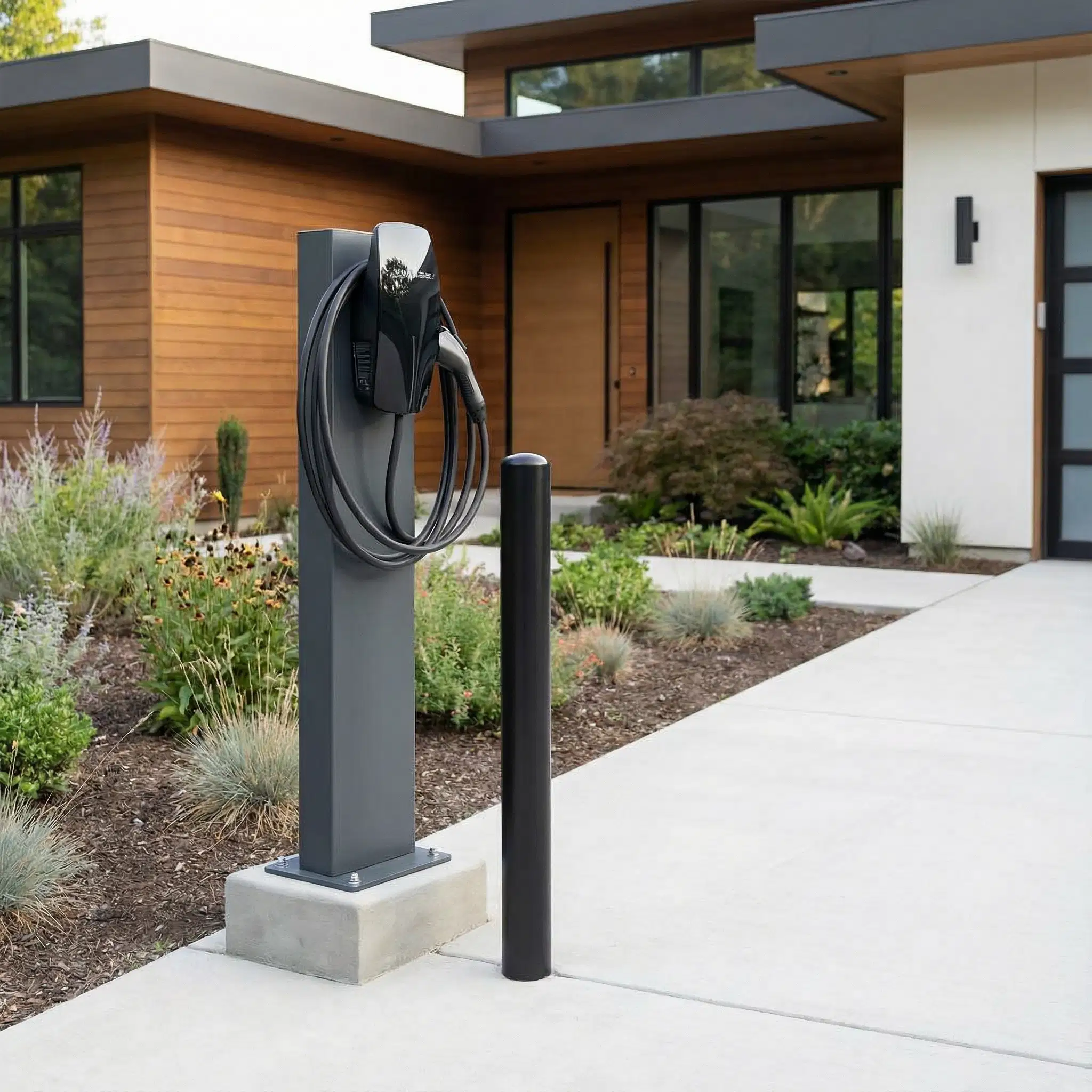
Every electrical modification, from upgrading a panel to installing a new residential EV charging station, is governed by strict provincial and federal regulations. The Canadian Electrical Code is updated frequently to address new technologies and enhance safety standards. Staying compliant with these frequent updates is a full-time job in itself, which is why professional electrical companies undergo continuous training.
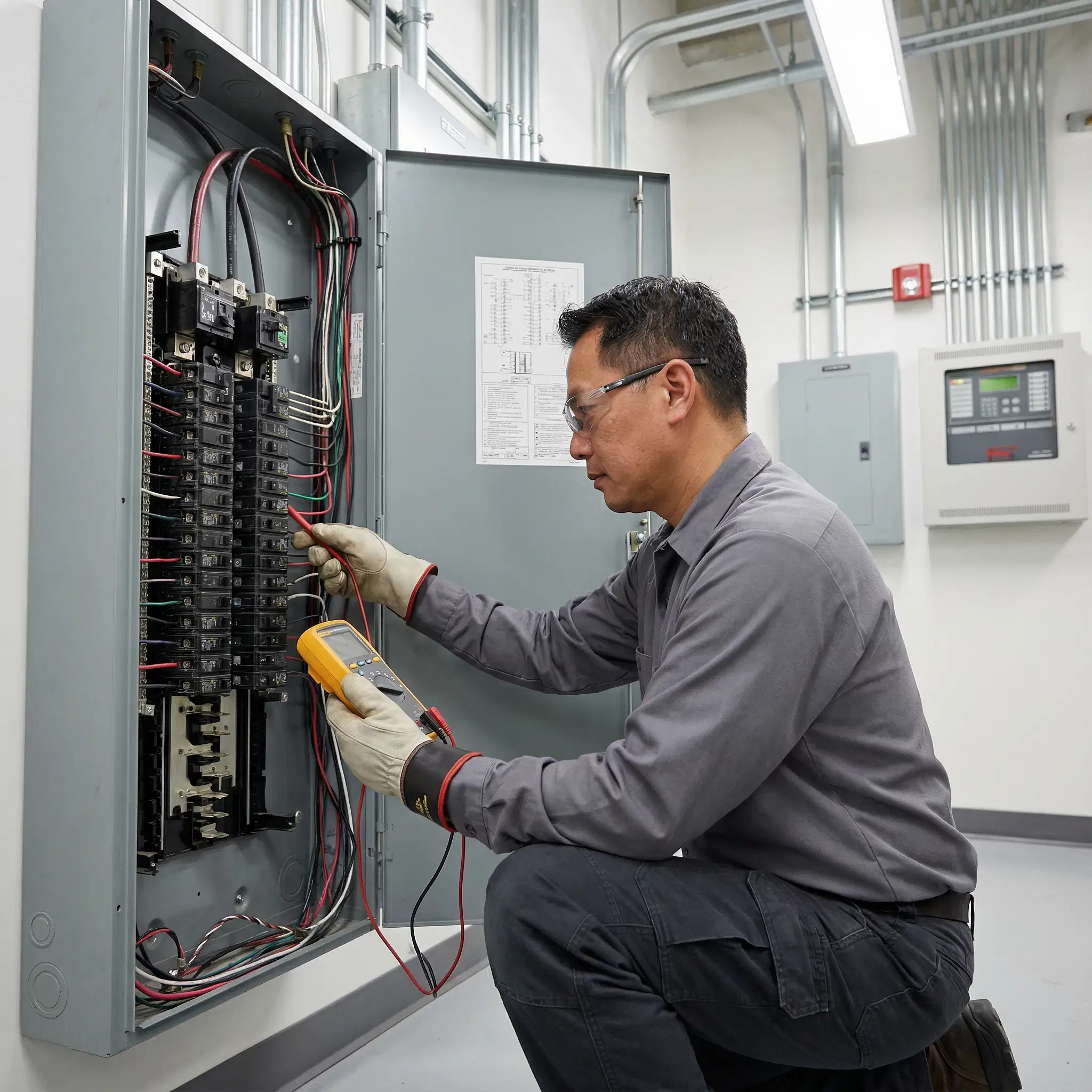
So, do you need an electrical permit for minor home renovations? In most cases, yes. Any time you are adding new circuits, altering existing wiring, or upgrading your service panel, a permit is legally required. This process ensures that the work is inspected by a local authority and deemed safe for use. When you hire a licensed contractor, they handle the entire permitting process on your behalf, ensuring that all paperwork is filed correctly and that the final inspection passes without issue.
It is also important to know how to verify certified electrician credentials. Always ask for proof of Red Seal certification, which guarantees the tradesperson has completed rigorous national apprenticeship and testing standards. Additionally, verify that the contractor carries comprehensive liability insurance and WCB coverage. This protects you, the homeowner, from any liability should an accident occur on your property during the project.
Why Hiring a Certified Professional Matters
As homes become more technologically advanced, the demands placed on your electrical panel are higher than ever. From smart home automation to heat pump integrations and robust security lighting, modern living requires a perfectly balanced and safely distributed power supply. A professional brings not only the technical skills to install these systems safely but also the diagnostic expertise to identify underlying issues before they become dangerous emergencies.
At Majak Electric, we believe in transparent pricing, no-nonsense communication, and doing the job right the first time. We understand that finding reliable tradespeople can be challenging, but cutting corners on safety is never the solution. By trusting a licensed professional, you gain the peace of mind that comes with knowing your home is safe, up to code, and fully protected by warranties and guarantees.
If you are planning a renovation, dealing with tripping breakers, or need to bring older wiring up to modern safety standards, do not take the risk of a DIY fix. Reach out to our team to discuss our comprehensive electrical services tailored to your needs. Whether you need an emergency repair or are looking to upgrade your residential electrical systems for the future, we are here to help. Contact us today to schedule a consultation with a certified Red Seal electrician.