
The Ultimate Guide to Residential EV Charging Station Installation
Electric vehicles are rapidly transforming the way we travel, and this shift is becoming increasingly visible across Central Alberta. As more drivers make the switch from traditional gas-powered cars to electric models, the conversation naturally turns to infrastructure. While public charging networks are expanding, relying on them can be unpredictable and time-consuming. The ultimate convenience lies in charging your vehicle right where you park it every night.
If you are considering making the leap to an electric vehicle, understanding the home electric vehicle charging station requirements is your first step toward a seamless, stress-free driving experience. Installing a charger at home isn't just about plugging in a cord; it is about integrating a high-capacity electrical draw into your home's existing ecosystem safely and efficiently. Navigating this new technology can feel overwhelming, but with the right information and professional guidance, you can future-proof your home and enjoy the full benefits of electric driving.
Choosing the Right Charger: Level 1 vs. Level 2
When you purchase an electric vehicle, it typically comes with a standard charging cable that plugs into a regular 120-volt household outlet. This is known as Level 1 charging. While it offers the ultimate plug-and-play convenience, it is notoriously slow. A Level 1 charger might only add a few kilometers of range per hour, meaning a fully depleted battery could take several days to recharge. For the average daily commuter, this simply does not provide enough turnaround speed, especially during our cold winters when batteries naturally lose some efficiency.
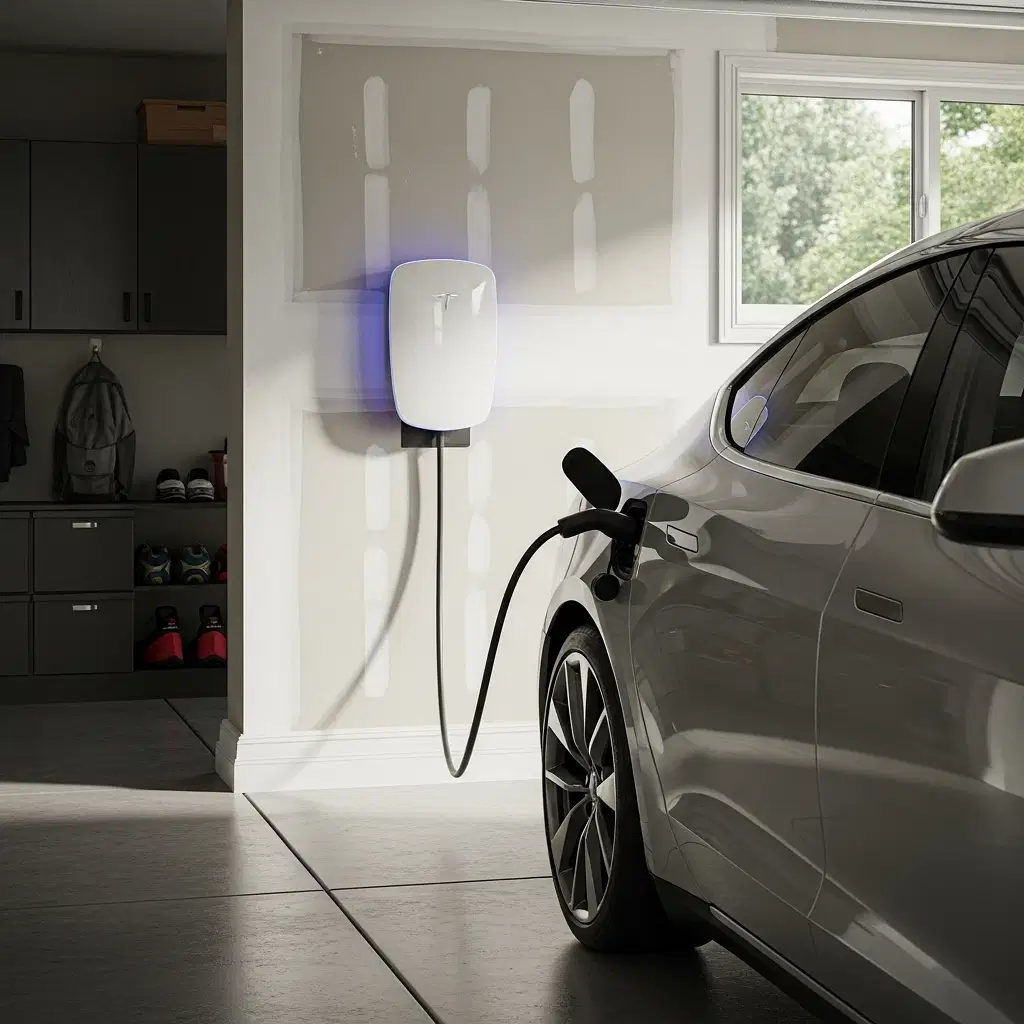
This is why the Level 2 ev charger installation process has become the gold standard for modern homeowners. A Level 2 station operates on a 240-volt system—the same type of power required for heavy-duty appliances like your clothes dryer or electric range. This upgraded voltage allows the station to deliver power much faster, easily fully recharging most vehicles overnight. Transitioning to this faster system requires professional installations to ensure the higher voltage is safely managed. The benefits of dedicated ev charging circuits go beyond just speed; they provide a stable, continuous flow of electricity that protects your vehicle's sensitive onboard electronics from power fluctuations.
Assessing Your Electrical Panel Capacity
One of the most frequent questions homeowners ask is whether their current electrical system can handle the substantial added load of a vehicle charger. The electrical panel capacity for ev chargers is a critical factor that cannot be overlooked. Your electrical panel is the heart of your home's power distribution, and it has a strict limit on how much electricity it can safely process at one time.
Older homes, or even some newer builds in growing neighborhoods like Timberlands, often feature 100-amp panels. Between your HVAC system, kitchen appliances, water heater, and daily lighting, these panels are frequently operating near their maximum safe capacity. Adding a continuous 30 to 50-amp draw for a car charger to an already stressed system is a recipe for tripped breakers or potential fire hazards.
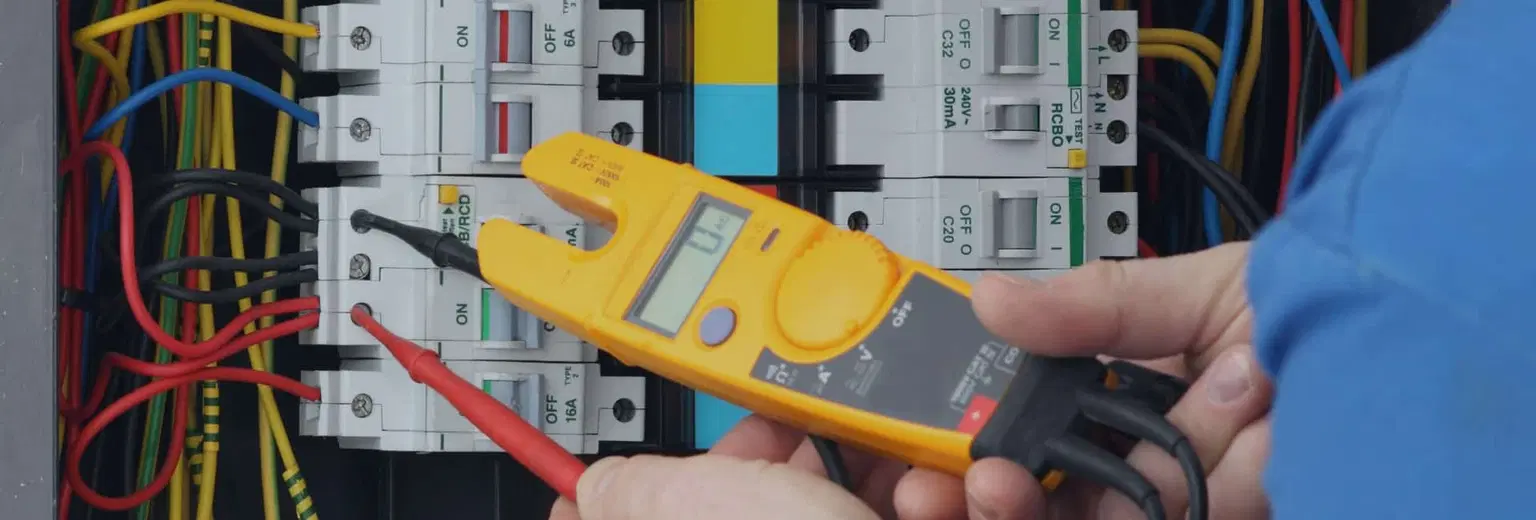
Before any installation begins, a comprehensive load calculation is necessary. If your current system lacks the required bandwidth, you will need to explore panel upgrades and change outs. Upgrading to a robust 200-amp service not only safely accommodates your new vehicle but also future-proofs your property for other modern energy needs, such as smart home automation, hot tubs, or electric heat pumps. Transparent pricing and clear communication during this assessment phase are vital so you understand exactly what your home needs to operate safely.
The Installation Process and Safety Standards
Because a Level 2 charger draws a significant amount of continuous power, safety and reliability are paramount. This is not a project where corners can be cut. The charger requires new circuits run directly from your main breaker panel to the installation site in your garage or driveway. This dedicated line ensures that the charger operates independently, preventing it from overloading other areas of your home's electrical system.
The installation process involves routing heavy-gauge wire, installing the appropriate dual-pole breaker, securely mounting the charging unit, and performing rigorous testing to ensure proper grounding and functionality. Furthermore, all of this work must strictly adhere to the Canadian Electrical Code. Navigating these complex regulations, securing the necessary municipal permits, and ensuring the final work passes official inspection requires specialized expertise.
Attempting a DIY installation or hiring an unlicensed handyman can lead to severe consequences, including voided vehicle warranties, denied home insurance claims in the event of a fire, and significant safety hazards. Relying on certified professionals guarantees that your system is installed correctly the first time, providing you with peace of mind and a reliable charge every time you plug in.
Ready to Power Up Your Drive?
Transitioning to an electric vehicle is an exciting step toward a more energy-efficient and environmentally friendly lifestyle. By taking the time to understand the technical requirements and properly preparing your home's electrical infrastructure, you can enjoy the ultimate convenience of waking up to a fully charged car every single morning. It is an investment that adds significant value to your property and simplifies your daily routine.
At Majak Electric, we are committed to providing top-tier residential electrical solutions tailored to your specific needs. Whether you need a straightforward charger mounted or a comprehensive panel upgrade to support your new vehicle, our experienced team brings the expertise and reliability you deserve. Contact us today to schedule a consultation and take the first step toward a smarter, more efficient home in the Three Hills area.