
Troubleshooting and Repairing Built-in Vacuum Systems
Built-in vacuum systems are a fantastic addition to any home, offering unparalleled convenience and cleaning power. If you live in Central Alberta, you know that keeping dust, dirt, and allergens out of your living space is a year-round job. Whether you are managing a busy household in the suburbs or maintaining a large acreage, a central vacuum system makes daily chores significantly easier. However, like any hard-working appliance, these systems can occasionally run into issues. When your system loses suction, fails to turn on, or starts making unusual noises, it can disrupt your entire cleaning routine.
At Majak Electric, we understand how important a fully functioning home is to your family's comfort and health. While we are known for our comprehensive electrical services, our expertise extends to the specialized systems that keep your home running smoothly. In this guide, we will walk you through common issues, provide actionable central vacuum system repair tips, and help you determine when it is time to call in a professional for troubleshooting and repairs.
The Hidden Benefits of a Healthy Central Vacuum System
Before diving into troubleshooting, it is worth remembering why these systems are so valuable. One of the most significant benefits of built-in vacuum systems for allergy sufferers is their ability to completely remove dust and allergens from the living area. Unlike traditional portable vacuums that can recirculate fine particles back into the air through their exhaust, a central system pulls dirt through a network of pipes hidden in your walls, depositing it into a main canister located in a garage or utility room.
This process ensures that the air inside your home remains clean and fresh. However, to maintain this high level of indoor air quality, the system must be operating at peak efficiency. Even a minor clog or a failing motor can compromise the system's ability to extract allergens effectively, which is why prompt attention to any performance issues is crucial for your family's well-being.
Common Signs Your System Needs Attention
The first step in any repair process is identifying the problem. Built-in vacuums typically exhibit a few common symptoms when they are struggling. The most frequent complaint is a noticeable loss of suction. You might find that the vacuum is no longer picking up debris as easily as it used to, or that you have to go over the same spot multiple times.
Another common issue is a system that simply will not turn on when you plug the hose into the wall inlet. This could be accompanied by a burning smell, unusual rattling noises, or the system shutting off unexpectedly during use. Sometimes, the issue is isolated to a single room, while other times, the entire house is affected. Paying attention to these specific symptoms will help you narrow down the root cause.
DIY Central Vacuum System Repair Tips
Before you assume the worst, there are several simple troubleshooting steps you can take on your own. Often, the solution is straightforward and does not require specialized tools or electrical knowledge.
First, check the main dirt canister. It seems obvious, but a full or overflowing receptacle is the leading cause of poor suction. Empty the canister and clean or replace the filter according to the manufacturer's instructions. A clogged filter restricts airflow, forcing the motor to work harder and reducing overall performance.
Next, inspect the hose and attachments. Clogs frequently occur in the hose itself. You can test this by plugging the hose into different inlets; if the suction is poor everywhere, the hose is likely the culprit. Try running a long, flexible cleaning brush or a specialized unclogging tool through the hose to dislodge any trapped debris.
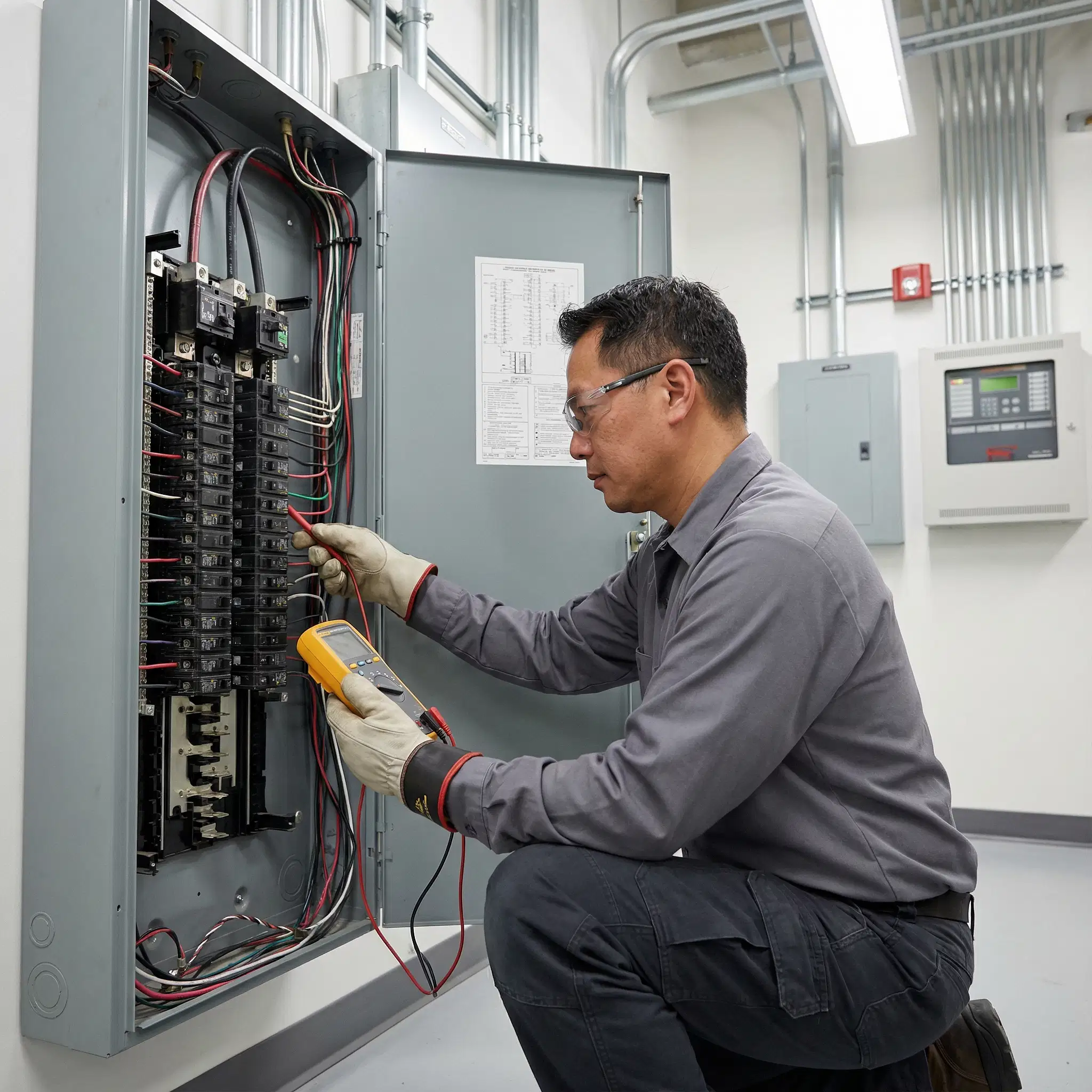
If the system will not turn on at all, check the power source. Ensure the main unit is securely plugged into the electrical outlet. It is also wise to check your home's electrical panel to see if a circuit breaker has tripped. If the breaker continues to trip when you try to use the vacuum, stop immediately—this indicates a more serious electrical fault that requires professional attention.
Troubleshooting Built-In Vacuum Motor Failure
If you have ruled out clogs, full canisters, and tripped breakers, you may be dealing with a motor issue. The motor is the heart of your central vacuum, and over time, its components can wear out. Signs of motor failure include a distinct burning electrical smell, loud grinding or screeching noises, or a complete lack of response when the system is activated.
Troubleshooting built-in vacuum motor failure requires a deeper understanding of electrical systems. The motor relies on carbon brushes to conduct electricity, and these brushes naturally wear down with use. When they become too short, the motor will stop functioning. While replacing carbon brushes is possible, it requires disassembling the power unit and handling internal wiring.
Because this involves direct interaction with electrical components, it is highly recommended to rely on professional appliance repair services. Attempting to repair or replace a high-voltage motor without the proper training can be dangerous and may void your equipment's warranty. A licensed professional can safely diagnose whether the motor can be repaired or if a full replacement is the most cost-effective solution.
Replacing Central Vacuum Wall Inlets and Wiring
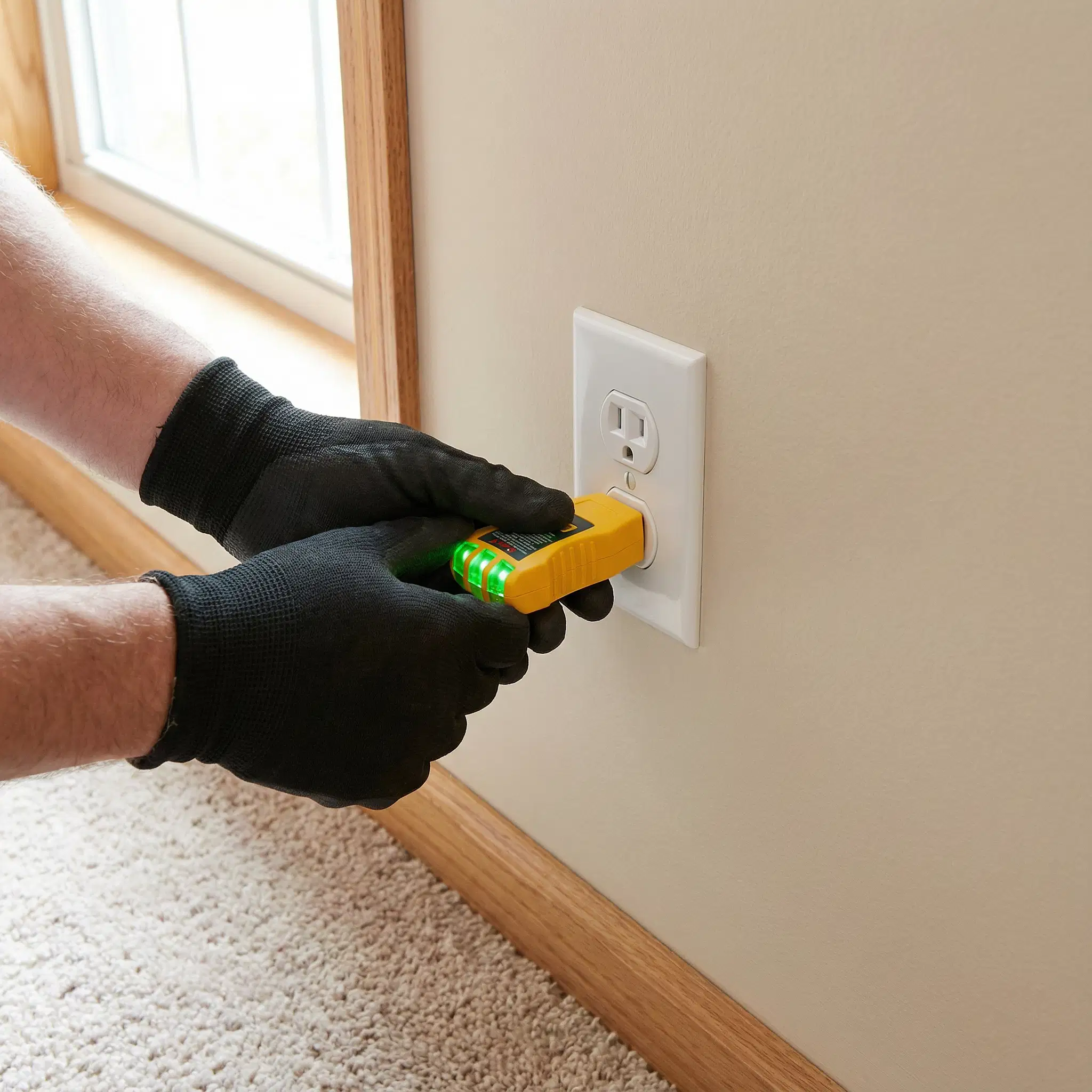
Sometimes the problem isn't in the main unit or the hose, but right at the wall. The wall inlets in your home are equipped with low-voltage contact pins. When you insert the metal end of the vacuum hose, it completes a circuit that signals the main unit to turn on.
Over years of regular use, these contact pins can become bent, dirty, or worn out. If your vacuum works perfectly in the living room but won't turn on in the hallway, a faulty inlet is likely to blame. Replacing central vacuum wall inlets is a common repair. It involves safely disconnecting the low-voltage wires from the back of the old inlet and securing them to a new one.
While the voltage at the wall inlet is low and generally safe, the wiring must be connected correctly to ensure reliable operation. If the wiring inside the walls has been damaged by pests or during a home renovation, tracking down the break in the circuit requires specialized diagnostic tools. For comprehensive built-in vacuums maintenance and complex wiring issues, bringing in an expert ensures the job is done right the first time.
Trusting the Experts for Your Home's Systems
Maintaining a home involves juggling many different systems, and it is easy to take your central vacuum for granted until it stops working. While regular maintenance like emptying the canister and checking for clogs can be handled easily, electrical faults, motor replacements, and wiring issues demand a higher level of expertise.
Safety and reliability are our top priorities. Whether you need a simple repair, a motor replacement, or are looking at new installations to upgrade an aging system, having a licensed professional handle the technical work gives you peace of mind. We ensure that all repairs meet safety standards and that your system is restored to its optimal performance, protecting your investment and keeping your home clean.
If you are struggling with a stubborn vacuum issue in Three Hills, AB or the surrounding areas, don't let the frustration build up. Reach out to our experienced team to schedule a service call. Visit our contact us page today, and let us help you get your home's cleaning power back on track.